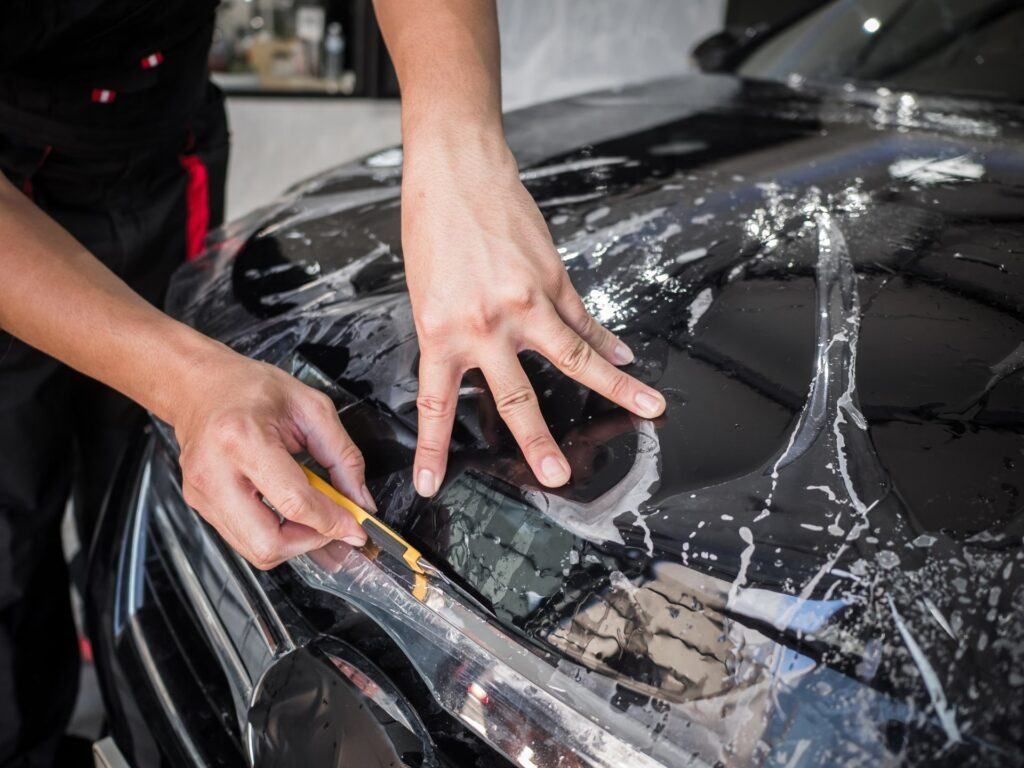
Ceramic coating provides a durable layer of protection that helps preserve a vehicle's finish, improves gloss, and makes routine cleaning easier. However, many vehicle owners are surprised to notice visible water spots even after investing in this advanced protective solution. While ceramic coating offers excellent resistance against contaminants, it does not prevent mineral deposits left behind by evaporating water. Understanding why ceramic coating water spots occur helps vehicle owners maintain a cleaner appearance and avoid unnecessary damage to the coated surface. In Bismarck, ND, changing weather conditions, hard water, and environmental contaminants all contribute to water spot formation, making proper maintenance an important part of long-term vehicle care.
Why Ceramic Coating Water Spots Still Develop on Protected Vehicles
Many drivers expect ceramic coating to eliminate water spotting, but its primary purpose is to create a protective, hydrophobic surface rather than an impenetrable shield against minerals. Water beads and rolls off coated paint more efficiently, yet some droplets remain on the surface and eventually evaporate. When evaporation occurs, dissolved minerals and contaminants stay behind, creating visible marks that can reduce the clean appearance of the vehicle. Understanding this difference allows owners in Bismarck, ND to maintain realistic expectations while following maintenance practices that keep coated surfaces looking their best.
Hard Water Minerals Remain After Water Evaporates
One of the leading causes of ceramic coating water spots is hard water, which contains naturally occurring minerals such as calcium and magnesium. When water sits on the coated surface and evaporates, these minerals cannot evaporate with it, so they remain attached to the coating. Even though ceramic coating prevents many contaminants from bonding strongly to the paint, mineral deposits can still settle on the protective layer and become increasingly visible under direct sunlight. The longer these deposits remain untreated, the more difficult they become to remove, making timely washing and drying essential for preserving the coating's appearance.
Environmental Exposure Increases Spot Formation
Environmental conditions also contribute significantly to water spot development, even on professionally coated vehicles. Rainwater, sprinkler systems, dust, pollen, industrial fallout, and airborne pollutants often combine with moisture before drying on the vehicle's surface. As these contaminants mix with mineral-rich water, they create stubborn residue that remains after evaporation. Vehicles frequently parked outdoors in Bismarck, ND are especially exposed to changing weather and environmental particles, increasing the likelihood of water spots appearing despite the presence of ceramic coating.
Infinity Auto Styling provides professional ceramic coating solutions designed to help vehicle owners in Bismarck, ND maintain better surface protection against everyday environmental exposure while preserving the vehicle’s shine and appearance


How Climate Conditions in Bismarck, ND Affect Water Spot Formation
The local climate in Bismarck, ND creates conditions that can encourage water spot formation throughout the year. Rainfall, snowmelt, irrigation systems, fluctuating temperatures, and seasonal humidity all influence how quickly water evaporates from a vehicle's surface. During warmer months, sunlight accelerates evaporation, leaving minerals behind before owners have an opportunity to dry the vehicle. Understanding how local environmental conditions affect ceramic-coated vehicles helps owners adjust their maintenance routines and reduce the long-term impact of mineral deposits.
Seasonal Weather Can Leave Mineral Residue
Seasonal weather patterns influence how frequently water spots appear on ceramic-coated vehicles. Spring and summer rain showers often leave mineral-containing droplets on the paint, while melting snow during colder months can introduce road salts and additional contaminants. As temperatures rise, faster evaporation allows these substances to remain on the coating before they can be rinsed away. Even though ceramic coating provides a protective barrier, regular exposure to changing weather conditions means mineral residue can still accumulate if routine maintenance is delayed.
Outdoor Parking Increases Surface Exposure
Vehicles parked outdoors experience continuous exposure to environmental moisture and airborne contaminants that contribute to water spotting. Morning dew, lawn sprinklers, unexpected rain, and tree sap can all remain on the vehicle until evaporation occurs. Direct sunlight further accelerates drying, increasing the chance that mineral deposits will remain visible on the coated surface. Parking inside a garage whenever possible or using covered parking can reduce the frequency of exposure, helping ceramic-coated vehicles maintain their appearance for longer periods.
Proper Drying Techniques Help Reduce Ceramic Coating Water Spots
Proper drying plays a significant role in preventing ceramic coating water spots after every wash or rainfall. Allowing water to air dry naturally increases the likelihood that minerals will remain on the coating once evaporation is complete. Using clean microfiber drying towels or professional air-drying equipment helps remove water before deposits have an opportunity to form. Drying the vehicle immediately after washing also minimizes streaks and supports the long-term performance of the ceramic coating by reducing prolonged mineral contact with the protective surface.
Routine Maintenance Keeps Mineral Deposits From Building Up
Regular maintenance is essential for keeping ceramic-coated vehicles looking clean and maintaining the effectiveness of the protective layer. Routine washing removes dirt, dust, pollen, and mineral residue before these contaminants have time to accumulate and become more difficult to remove. Gentle cleaning products designed for coated surfaces help preserve the coating while lifting away deposits without causing unnecessary wear. Consistent maintenance schedules also allow vehicle owners to identify developing water spots early, reducing the possibility of permanent mineral etching.
Washing Habits That Help Minimize Water Spot Marks
Proper washing habits significantly influence how often water spots develop on ceramic-coated vehicles. Washing during cooler parts of the day prevents water from evaporating too quickly under direct sunlight, giving owners enough time to rinse and dry every section thoroughly. Using clean water, high-quality microfiber materials, and appropriate automotive shampoos further reduces the risk of leaving residue behind. Avoiding automatic washes that use recycled mineral-rich water may also help preserve a cleaner finish while reducing the likelihood of visible spotting.
When Water Spots Require Professional Surface Decontamination
Some mineral deposits remain on the ceramic coating long enough to become increasingly stubborn, making routine washing insufficient for complete removal. In these situations, professional surface decontamination helps dissolve mineral buildup without damaging the protective coating beneath. Specialized cleaning products and correction techniques safely restore the coated surface while maintaining its protective properties. Professional maintenance also allows technicians to inspect the condition of the ceramic coating and recommend additional care if environmental exposure has reduced its performance over time.
Ceramic Coating Supports Easier Cleaning but Does Not Prevent Every Water Spot
Ceramic coating remains one of the most effective long-term paint protection solutions because it reduces contamination, simplifies cleaning, and provides outstanding hydrophobic performance. However, it should not be viewed as complete protection against every environmental condition. Mineral deposits can remain on top of the coating whenever water evaporates before being removed. Recognizing that ceramic coating minimizes maintenance rather than eliminating it helps owners adopt realistic expectations and follow care practices that maximize the coating's durability and appearance.
How to Maintain Professional Ceramic Coating in Bismarck, ND
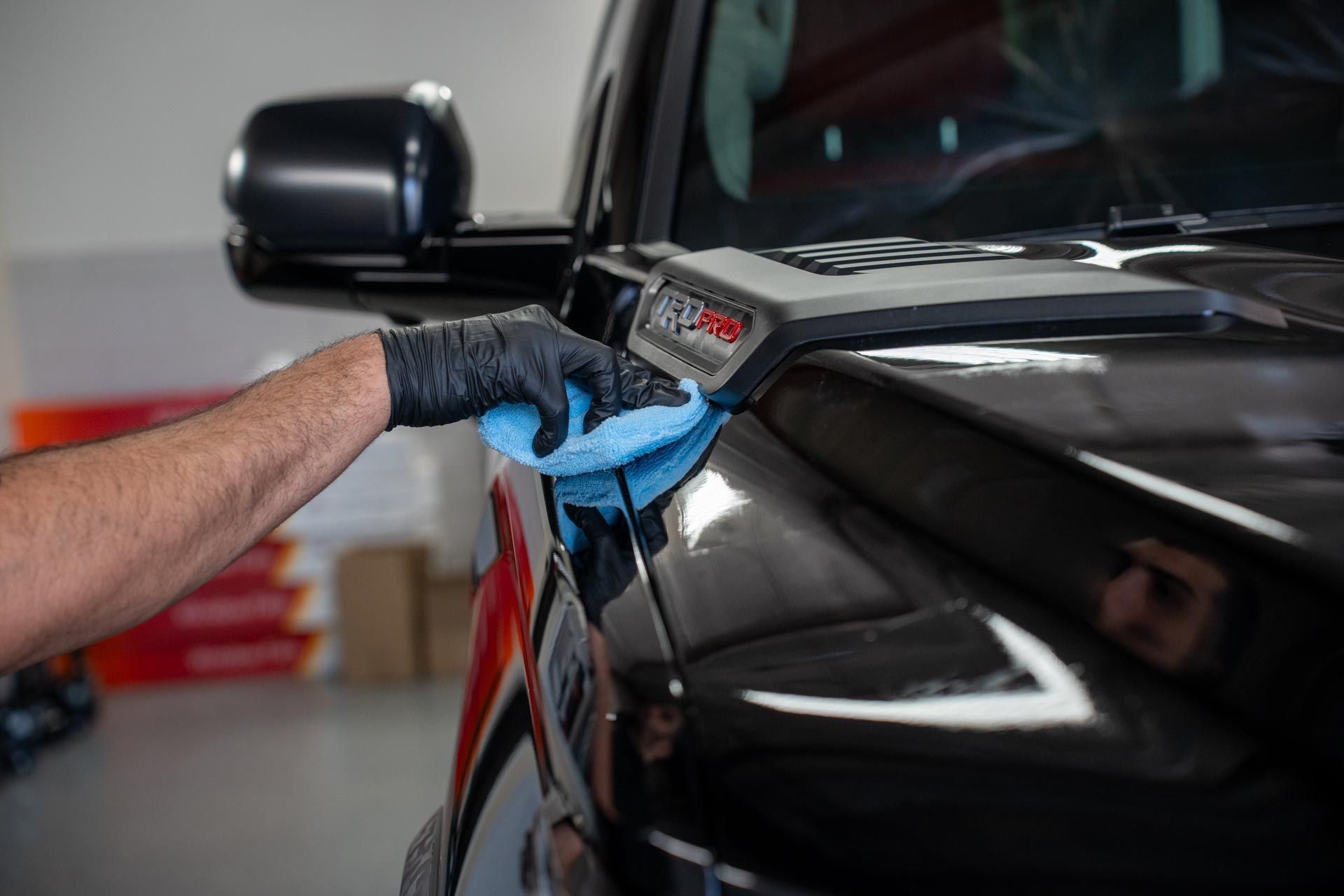
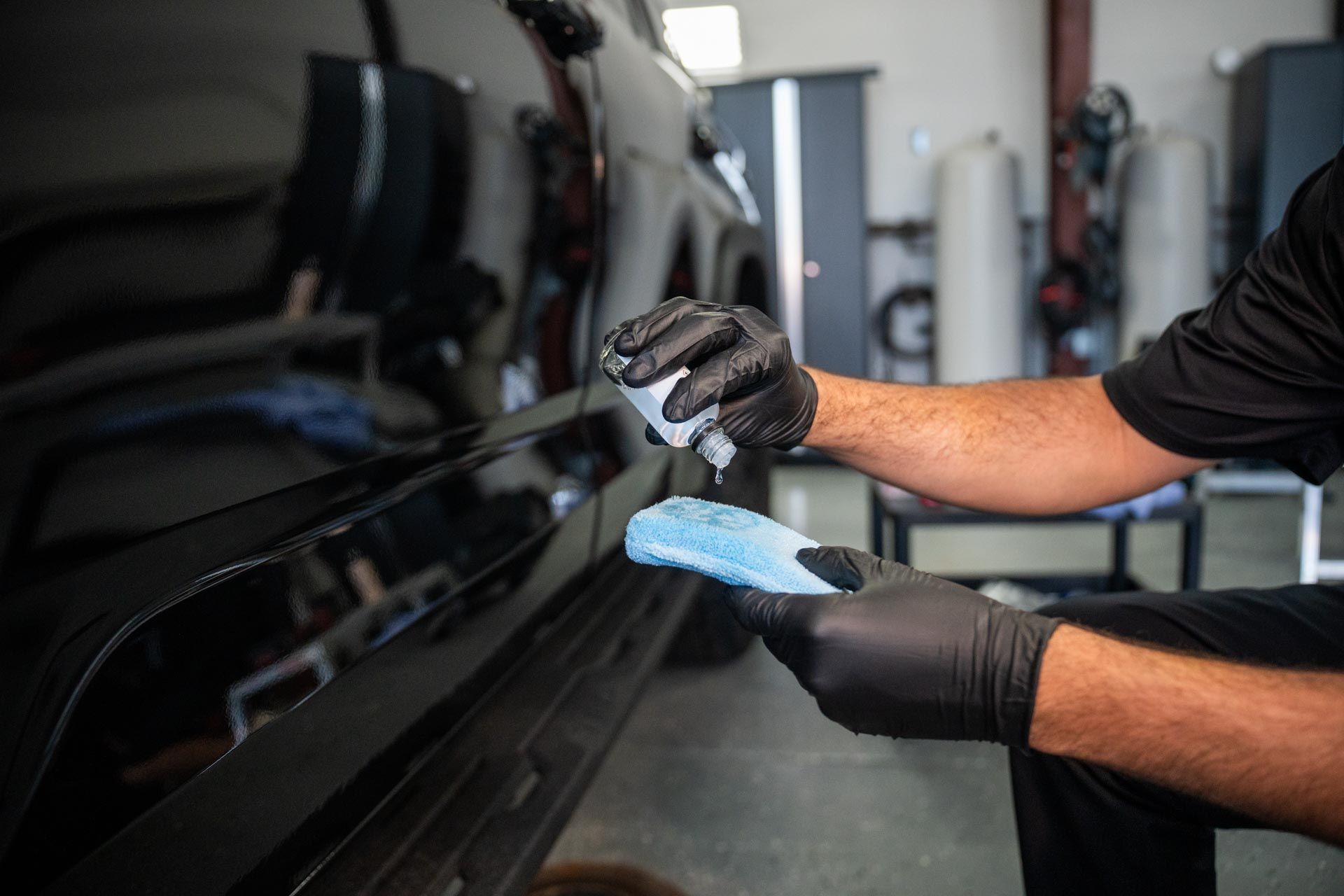
Professional maintenance helps ceramic-coated vehicles continue performing at their highest level despite ongoing exposure to local weather and environmental contaminants. Professional ceramic coating installation ensures the protective layer is properly applied to the vehicle’s surface, helping enhance durability, maintain a glossy finish, and provide reliable protection against everyday environmental contaminants. Routine inspections, safe decontamination methods, and proper maintenance washes help preserve both the appearance and protective qualities of the coating over time. Infinity Auto Styling provides professional ceramic coating services in Bismarck, ND that help protect vehicle finishes while offering guidance on proper aftercare, ensuring owners receive lasting value from their investment and maintain a consistently clean, glossy exterior.
Managing Ceramic Coating Water Spots for Long-Term Surface Protection
Although ceramic coating offers exceptional protection against everyday contaminants, ceramic coating water spots can still develop when mineral-rich water evaporates on the surface. Understanding the causes of these spots, following proper drying techniques, maintaining regular washing routines, and seeking professional decontamination when necessary all contribute to preserving the coating's performance. With professional ceramic coating services and ongoing maintenance from Infinity Auto Styling in Bismarck, ND, vehicle owners can keep their protected surfaces cleaner, glossier, and better prepared to withstand the environmental conditions they encounter throughout the year. Protect your vehicle’s finish with professional ceramic coating services from us in Bismarck, ND.
Contact us today to schedule your ceramic coating installation and maintain a cleaner, more durable exterior.
Infinity Auto Styling Blog