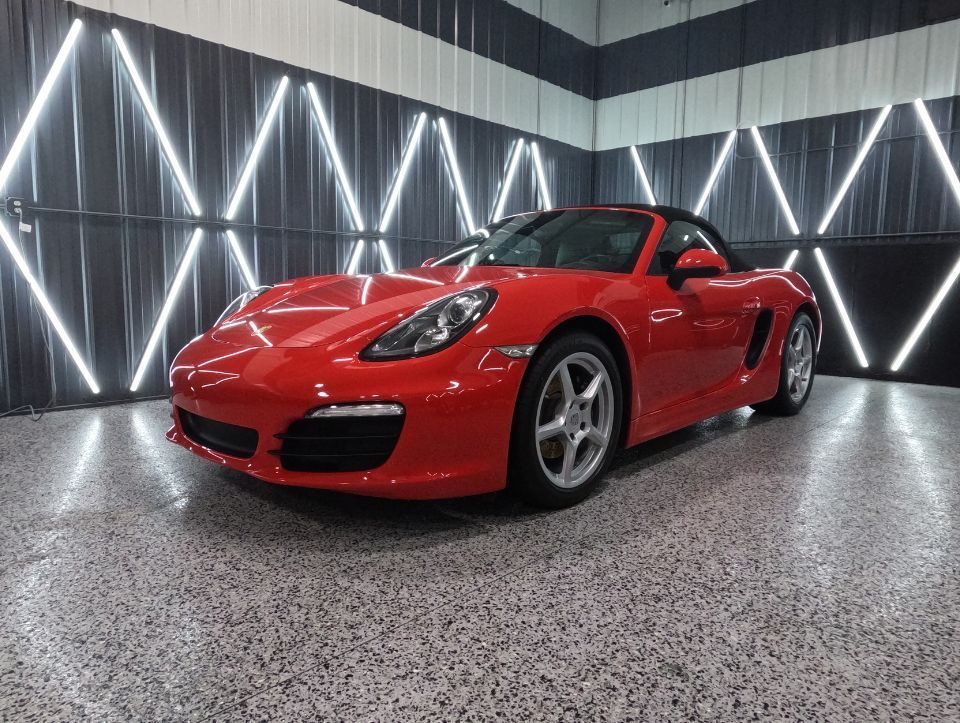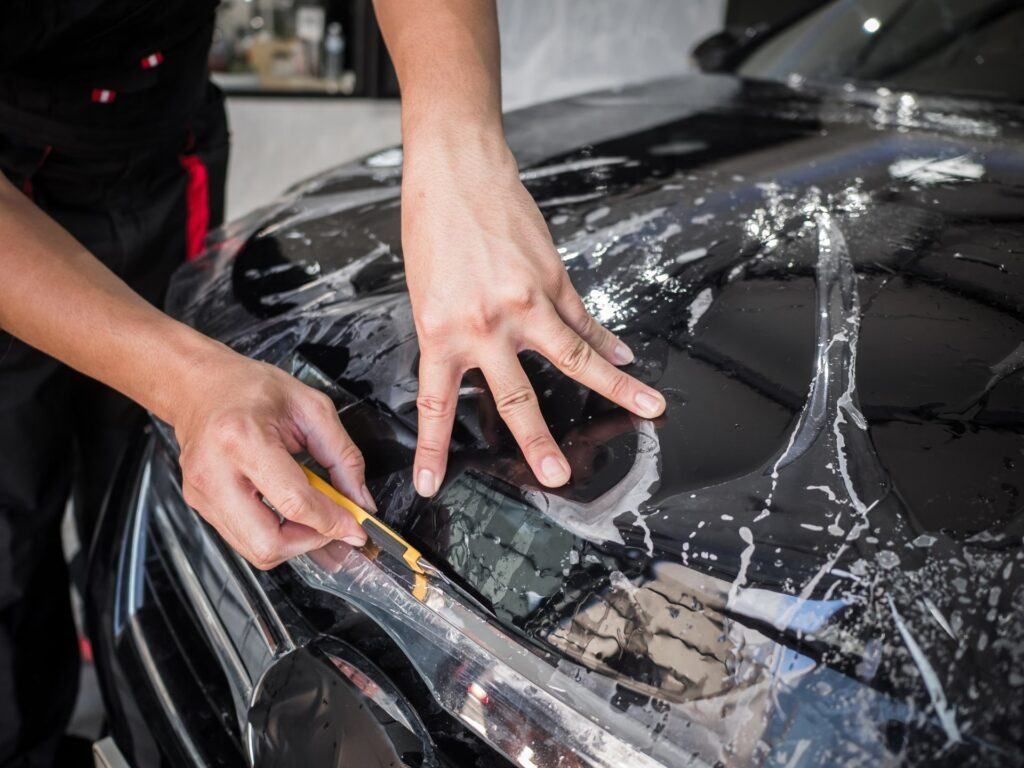
Ceramic coatings have transformed how vehicle owners protect and maintain their cars. Offering a deep gloss, hydrophobic finish, and long-term defense against contaminants, a ceramic coating can keep a vehicle looking showroom-new for years. However, even the most durable coatings aren’t invincible. Over time, exposure to the elements and normal wear can cause your coating to degrade, making it less effective.
For car owners in Bismarck, ND, where weather conditions can be unpredictable—from harsh winters to dusty, hot summers—understanding ceramic coating wear signs is essential. Knowing what to look for and when to take action ensures your vehicle’s protection and appearance stay intact.
This guide will help you recognize when your ceramic coating is breaking down, what causes it to happen faster, how to extend its lifespan, and when professional reapplication becomes necessary.
Understanding How Ceramic Coatings Work
Before diving into how coatings wear off, it’s helpful to understand how they protect your vehicle. A ceramic coating forms a chemical bond with the paint’s clear coat, creating a semi-permanent layer that resists contaminants, oxidation, and UV damage.
When newly applied, the coating repels water, reduces the need for frequent washing, and delivers a mirror-like shine. However, this surface layer gradually faces stress from external factors such as sunlight, rain, snow, and improper washing techniques. Over time, these factors cause the coating to lose its hydrophobic and protective abilities, leading to visible wear signs.
Recognizing this wear early allows you to maintain the coating’s performance and prevent long-term paint damage.
Recognizing Common Ceramic Coating Wear Signs
Diminished Water Beading
One of the most obvious ceramic coating wear signs is reduced water beading. When a coating is healthy, water droplets form tight, round beads that slide effortlessly off the surface. As the coating starts to wear, water begins to sheet or pool instead of beading. This change indicates that the hydrophobic top layer is weakening, reducing your vehicle’s ability to repel moisture and contaminants.
Dull or Cloudy Paint Finish
A ceramic coating enhances the color depth and clarity of your vehicle’s paint. If you start to notice that the shine has faded or the surface looks slightly cloudy, it may be a sign of coating deterioration. This can happen when contaminants like tar, pollen, or road salt bond to the surface, diminishing gloss and light reflection.
In Bismarck’s dusty summers and icy winters, it’s common for buildup to accumulate, especially if regular maintenance isn’t performed.
Increased Surface Staining or Water Spots
Another key indicator of wear is an increase in surface staining or hard water spots. When a coating’s protective layer thins, it becomes more susceptible to etching from minerals, chemicals, or acidic substances like bird droppings. The absence of protection allows contaminants to adhere more tightly, leading to stubborn marks that require more effort to remove.
More Frequent Dirt and Grime Adhesion
If your car gets dirty faster than usual or feels rough even after a wash, the coating may be losing its slickness. A smooth coating repels dust and dirt, but as it wears, contaminants begin to cling to the surface more easily. This is a telltale sign that your vehicle’s protection is weakening.
Factors That Accelerate Ceramic Coating Degradation
Harsh Weather Conditions in Bismarck
In Bismarck, ND, vehicles face significant environmental stress. During winter, road salt, slush, and freezing temperatures can wear down coatings faster. In the summer, prolonged UV exposure, dry winds, and dust can oxidize and dull the finish. These seasonal extremes create a cycle of damage that weakens even the best ceramic coatings over time.
Improper Washing Techniques
Using the wrong washing methods can greatly reduce a coating’s lifespan. Automatic car washes with harsh brushes or high-pressure jets can cause micro-abrasions on the surface, stripping away the top hydrophobic layer. Similarly, strong detergents or soaps that are not pH-balanced can erode the coating’s chemical structure.
Lack of Maintenance
Ceramic coatings are low-maintenance, not maintenance-free. Neglecting periodic washes, decontamination, or booster treatments allows contaminants to embed in the surface. Over time, this buildup prevents the coating from performing effectively, leading to premature failure.
Exposure to Industrial and Environmental Pollutants
If you park near construction areas or drive frequently on gravel roads, abrasive dust particles can wear down the coating mechanically. Likewise, exposure to chemicals, tree sap, and acid rain can chemically weaken the protective bond between the coating and your paint.
How to Monitor the Condition of Your Ceramic Coating
Regular Water Bead Testing
A simple test involves observing how water behaves on your car’s surface. Spray a light mist of water after washing. If water forms tight beads, your coating is still performing well. If it spreads or sheets, the top layer is breaking down.
Feel the Surface Texture
Run your hand gently across the paint after washing. A slick, smooth surface means your coating is intact. If it feels rough or grabby, contaminants have bonded to the surface, indicating the coating needs maintenance or rejuvenation.
Visual Inspection in Sunlight
Examine your car under natural light. Look for uneven gloss, faint swirl marks, or patches where the shine is reduced. These areas typically show where the coating is thinning or has been damaged by washing abrasion or exposure.
How to Extend the Life of Your Ceramic Coating
Proper Washing and Drying Habits
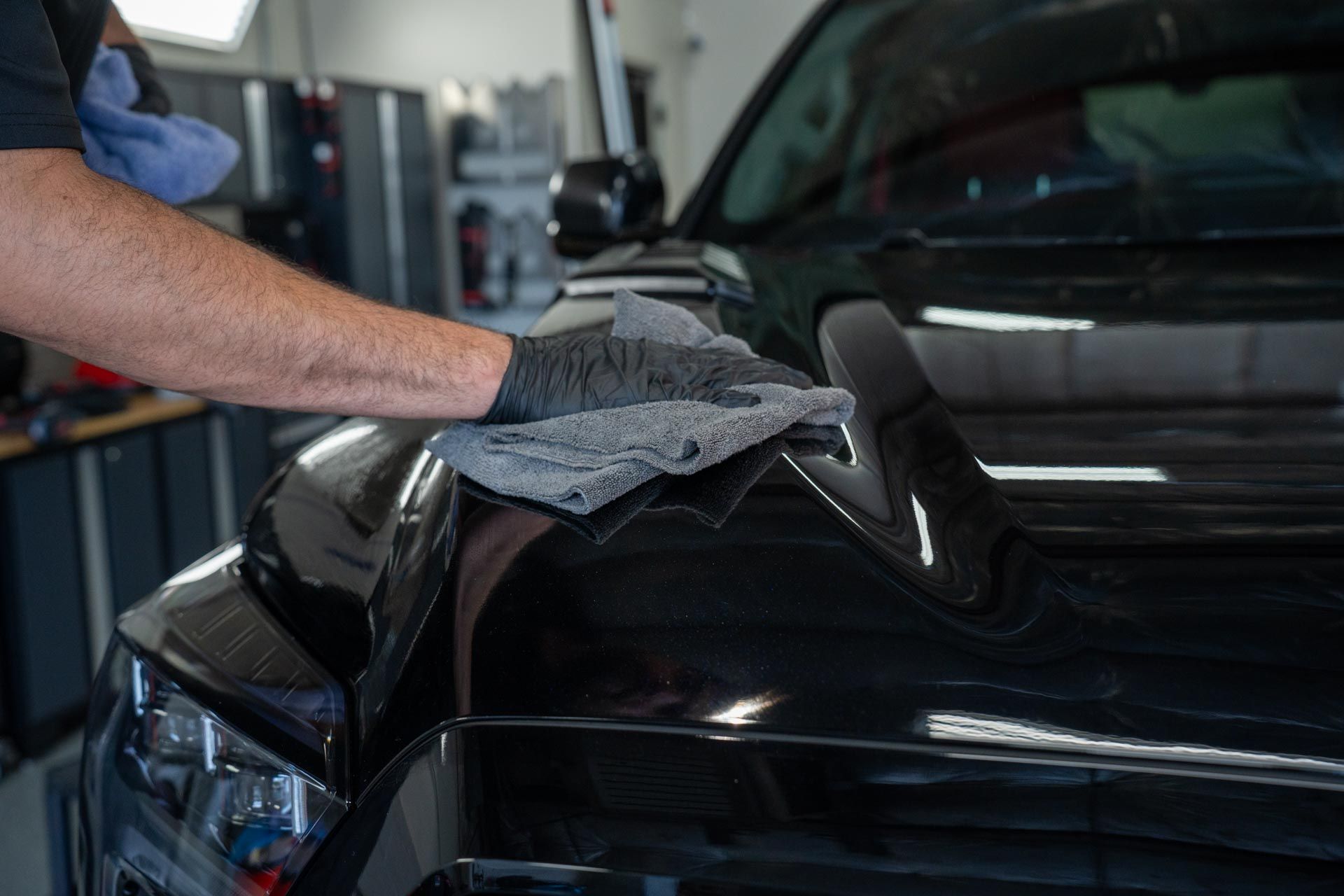
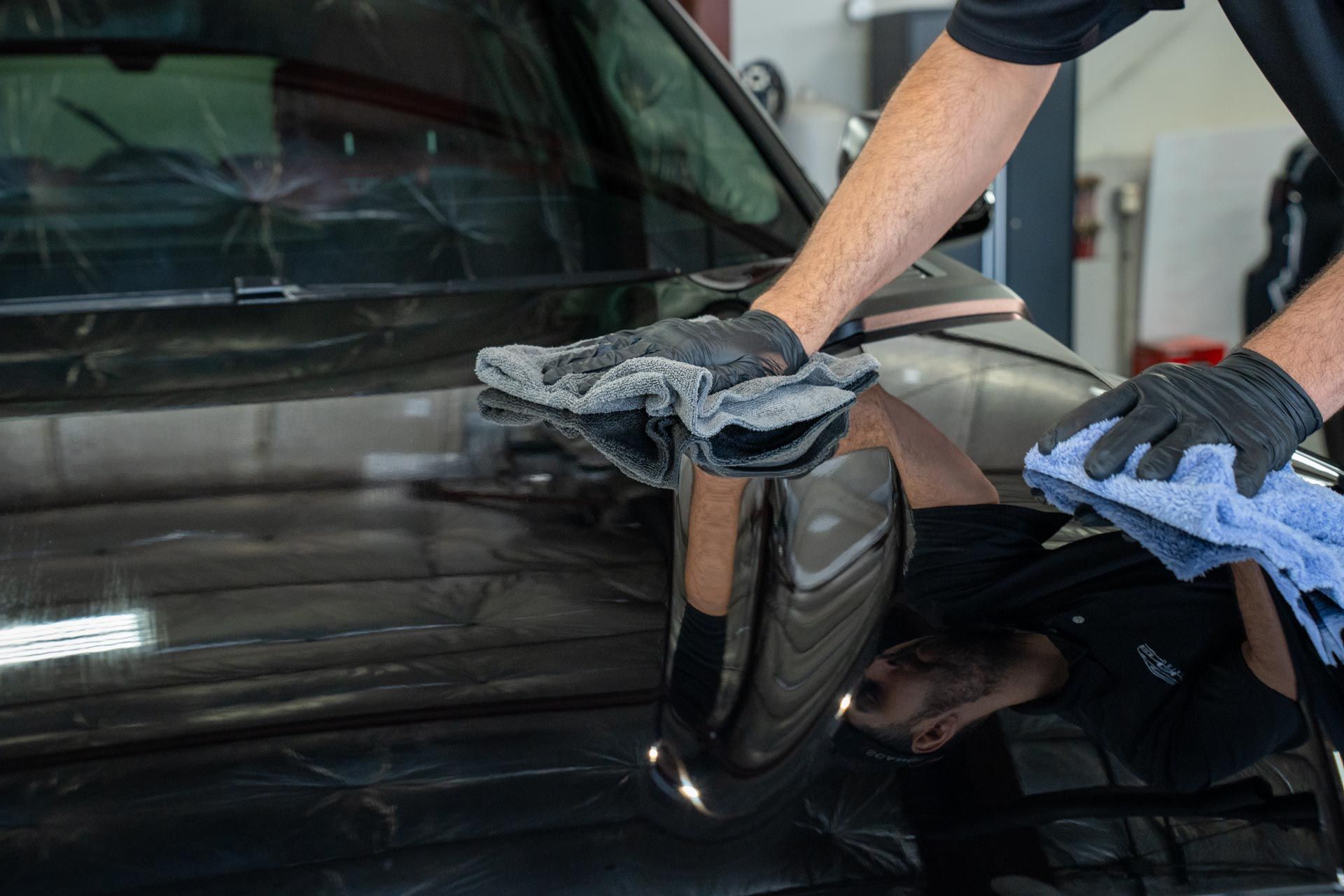
Hand washing using the two-bucket method is essential for preserving your coating. Always use pH-neutral car shampoo and soft microfiber wash mitts to minimize friction. Avoid washing under direct sunlight, as heat can cause soap and water spots to dry too quickly.
When drying, use a clean microfiber towel or an air blower to prevent scratching. Automatic car washes should be avoided entirely, as they can cause micro-scratches and strip away hydrophobic layers.
Regular Use of Ceramic Boosters
Ceramic coating maintenance sprays or boosters can rejuvenate hydrophobic properties and enhance gloss. Applying these every few months, especially after harsh seasons, can significantly extend coating performance.
For example, after Bismarck’s snowy winters, a quick detailing session with a ceramic booster will restore the coating’s ability to repel water and contaminants effectively.
Seasonal Maintenance
Seasonal maintenance plays a big role in preserving coating life. Before winter, ensure your coating is clean and topped with a sealant to protect against salt and ice. During summer, focus on washing frequently to remove dust, bug residue, and UV contaminants.
When to Reapply Your Ceramic Coating
Even with perfect care, ceramic coatings eventually reach the end of their lifespan. Most professional-grade coatings last between two to five years, depending on environmental conditions and maintenance routines.
Signs It’s Time for Reapplication
If your coating no longer beads water, feels rough, or the paint begins to lose its depth and luster, it may be time for reapplication. Stains that won’t wash away or frequent dirt adhesion are also indicators that your coating’s protective layer has worn off.
The Reapplication Process
When reapplying, it’s best to have your vehicle professionally inspected and detailed. At
Infinity Auto Styling, technicians thoroughly clean and decontaminate the paint, polish away any residual coating, and then apply a fresh layer. This ensures the new coating bonds properly and delivers maximum durability and shine.
A professional reapplication not only revives your coating’s hydrophobic performance but also restores your car’s vibrant, glossy finish.
How Local Climate in Bismarck Affects Ceramic Coating Longevity
Winter Challenges
Bismarck winters are tough on vehicles. Road salt, snow, and freezing temperatures can cause microscopic cracks in the coating if it’s not properly maintained. Regular washing and the use of coating boosters during this season can help maintain protection.
Summer and UV Exposure
The long daylight hours and strong UV rays during summer can fade and oxidize paint if the coating’s UV protection has weakened. Parking in shaded areas, using car covers, or scheduling mid-summer detailing appointments can help mitigate this issue.
Dust and Gravel Exposure
Driving on rural or gravel roads around Bismarck exposes vehicles to constant abrasion from fine dust particles. These micro-scratches can reduce the coating’s clarity and shine. Applying a sacrificial layer, such as a ceramic spray sealant, can help minimize damage.
Keeping Your Ceramic Coating Performing Its Best
Maintaining your ceramic coating is an ongoing commitment that pays off in the long run. Consistent care not only keeps your car looking pristine but also ensures the coating continues to protect your paint from harsh environmental conditions.
By performing regular inspections, using safe cleaning products, and scheduling professional detailing appointments when needed, you can extend the lifespan of your ceramic coating significantly. Remember that prevention is always cheaper and easier than full reapplication.
Keeping Your Vehicle Glossy and Protected for the Long Run
Over time, every coating will show
ceramic coating wear signs, but identifying them early makes all the difference. Dull shine, weak water beading, and increased staining are your cues to refresh or maintain your coating. With proper care, your vehicle can retain its showroom gloss and stay protected against Bismarck’s challenging climate.
To ensure your coating continues to perform its best, trust the experts at
Infinity Auto Styling. Their professional ceramic coating services provide long-lasting protection and a stunning finish tailored for North Dakota’s environment.
Keep your car shining—contact Infinity Auto Styling today to schedule your ceramic coating maintenance or inspection and keep your investment looking flawless year-round.
Infinity Auto Styling Blog